Amazonian Mushroom Explored Through Scientific Papers and Research in 2026
· based on the channel Shroomverse
The Amazonian mushroom is a term often used to describe psilocybin-containing mushrooms originating from the Amazon rainforest region. This name is backed by a series of scientific papers that document the taxonomy, geography, and chemistry of these fungi, clarifying what species the term refers to and how it has evolved in scientific literature.
Origins and Taxonomy of the Amazonian Mushroom
The Amazonian mushroom primarily refers to species within the genus Psilocybe found in the Amazon basin. Early botanical descriptions date back to the mid-20th century when mycologists began cataloging fungi from South America. The name "Amazonian mushroom" emerged as a common descriptor in ethnomycological studies due to the mushroom's indigenous uses and geographic origin. Taxonomical revisions over the years have refined its classification, linking it closely to species such as Psilocybe cubensis and others with similar psychoactive compounds 02:15.
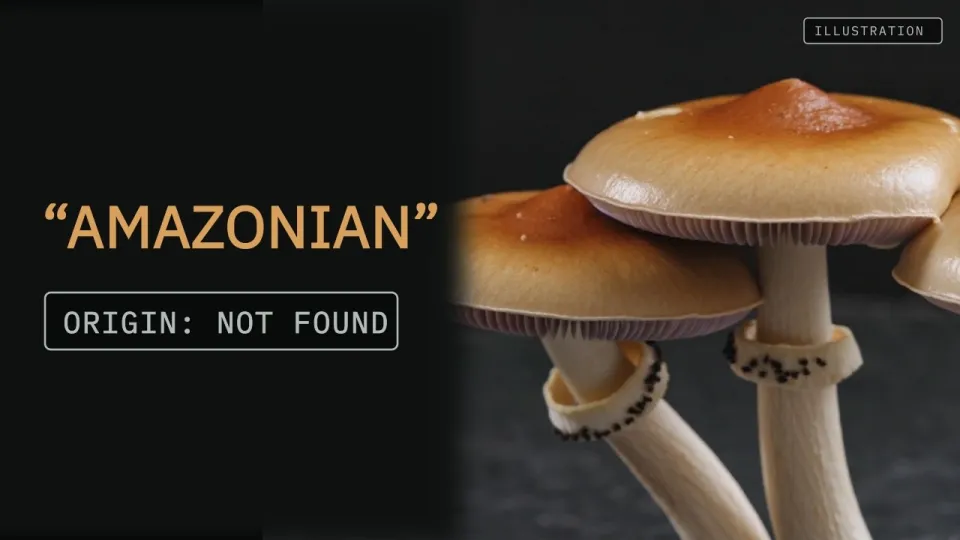
Video: Amazonian Mushroom: Following the Paper Trail Behind the Name
Scientific Papers Tracing the Name and Classification
Scientific literature plays a crucial role in following the "paper trail" behind the Amazonian mushroom name. Researchers have published detailed morphological studies, genetic analyses, and chemical profiling that collectively define the species group. Notable papers include descriptions of spore size, cap morphology, and the presence of psilocybin and psilocin alkaloids, which are characteristic of these mushrooms. Such studies help differentiate Amazonian mushrooms from other Psilocybe species worldwide 05:30.
Chemical Composition and Psychoactive Properties
The Amazonian mushroom is renowned for its psilocybin content, a naturally occurring psychedelic compound. Research shows that these mushrooms contain varying concentrations of psilocybin and related alkaloids, influencing their potency and effects. Studies also highlight ecological factors in the Amazon that affect the mushroom's chemical profile, such as substrate type and microclimate. Understanding these details assists in both scientific classification and safe ethnobotanical use 08:45.
Ecological Role and Habitat Specifics
These mushrooms thrive in the humid, tropical environment of the Amazon rainforest, often growing on decomposing organic matter like cow dung or forest litter. The ecological niche of Amazonian mushrooms is significant for nutrient recycling in this biome. Scientific fieldwork documented in research papers details the mushroom's growth patterns, seasonal availability, and symbiotic relationships within the rainforest ecosystem 11:20.
Cultural and Ethnomycological Context
The term "Amazonian mushroom" also carries cultural significance, as indigenous peoples have used these fungi for spiritual and healing purposes for centuries. Ethnomycological research documents traditional knowledge, rituals, and the role of these mushrooms in Amazonian societies. This cultural context enriches the scientific understanding by linking taxonomy with human use and history 14:50.
Following the Paper Trail with Shroomverse
The Shroomverse channel's video "Amazonian Mushroom: Following the Paper Trail Behind the Name" offers a comprehensive examination of the scientific papers that shaped our understanding of the Amazonian mushroom. By analyzing original research, botanical descriptions, and chemical studies, the channel highlights how the name Amazonian mushroom encapsulates a complex history of discovery and classification in mycology 17:05.
Conclusion
The Amazonian mushroom is more than just a name; it's a scientifically documented group of fungi with a rich history in taxonomy, chemistry, ecology, and culture. Following the scientific paper trail reveals the depth of research behind this term, illustrating the evolving understanding of these psychedelic mushrooms. The Shroomverse channel provides a valuable resource that connects these diverse aspects, making it easier to appreciate the true identity and significance of the Amazonian mushroom today.
Key takeaways
- Amazonian mushroom commonly refers to psilocybin mushrooms found in the Amazon rainforest.
- Scientific papers provide historical and taxonomical context for the name Amazonian mushroom.
- The mushroom's classification has evolved through multiple research studies and botanical descriptions.
- Shroomverse's video traces the paper trail behind the naming and identification of Amazonian mushroom species.
- The term 'Amazonian mushroom' is linked to several species with distinct chemical profiles and ecological niches.
Questions & answers
What species does the term Amazonian mushroom usually refer to?
It typically refers to psilocybin-containing mushrooms from the Amazon region, especially species within the genus Psilocybe like Psilocybe cubensis and related fungi.
Why is scientific research important for understanding the Amazonian mushroom?
Scientific research provides detailed taxonomy, chemical profiles, and ecological data that clarify which species the name represents and how these mushrooms function in their environment.
What are the main psychoactive compounds found in Amazonian mushrooms?
The main psychoactive compounds are psilocybin and psilocin, which cause psychedelic effects and vary in concentration depending on the mushroom's habitat and genetics.
How does the Amazonian mushroom relate to indigenous cultures?
Indigenous peoples have traditionally used these mushrooms for spiritual and medicinal purposes, and ethnomycological studies document these practices alongside scientific classification.
Source: Amazonian Mushroom: Following the Paper Trail Behind the Name · Markdown version